MONROVIA, August 17, 2026 — The Government of Liberia is preparing to commence development work at Providence Island as part of efforts to transform the historic site into a modern heritage tourism destination while preserving its historical and cultural significance.
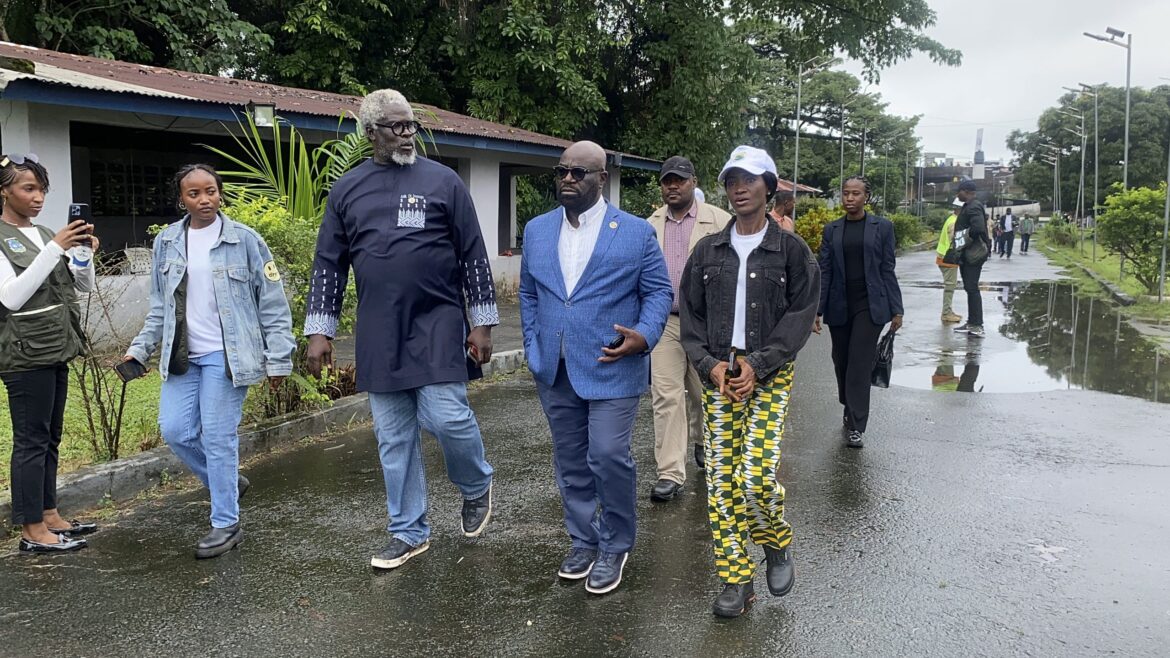
Ahead of the commencement of the project, Minister of State for Presidential Affairs Samuel A. Stevquoah, Director General of the Cabinet Nathaniel T. Kwabo, and Nimba County Senator Samuel G. Kogar toured the island along with senior officials, the Board Chair of the Liberia National Tourism Authority (LNTA), and executives of major media institutions.
Senator Kogar chairs the Senate Committee on Information, Broadcasting, Cultural Affairs and Tourism.
The tour provided government officials, lawmakers and media executives an opportunity to inspect the site and review plans for its development, including measures intended to balance new tourism infrastructure with the preservation of the island’s historical character and cultural heritage.
The project is being funded by the Government of Liberia through the Public Sector Investment Program (PSIP) and will be implemented under a Design and Build arrangement.
According to the LNTA, the approach will allow the project’s final design to respond to technical assessments, existing site conditions, and heritage-preservation requirements. Conceptual designs currently associated with the project represent the broader development vision, while detailed designs will determine the final construction and preservation works.
Providence Island occupies a significant place in Liberia’s history and is expected to be developed as a heritage and educational destination as well as a major tourism attraction in Monrovia.
Under the proposed development concept, the island would feature heritage walks, historical and digital interpretation facilities, arts and crafts spaces, Liberian food and community vending areas, cultural performances, guided tours, educational facilities and riverfront spaces.
The government hopes the development will move Providence Island from an underdeveloped historic site into a structured destination where Liberians and international visitors can experience the country’s history and culture.
The project is also expected to create economic opportunities for people operating within the tourism sector, including tour guides, artisans, cultural performers, food vendors, photographers, transport operators, content creators, hotels and restaurants.
According to the tourism authority, incorporating local crafts, food, community vending and other visitor services into the project is intended to ensure that surrounding communities and businesses benefit economically from increased visitor traffic.
Strategically located in Monrovia, Providence Island could also serve as an anchor for a wider heritage tourism circuit linking visitors to other historical and cultural sites across the capital.
Tourism authorities believe such an approach could encourage visitors to move beyond individual attractions and participate in organized heritage routes, potentially extending their stays and increasing spending within the local economy.
The government also sees the project as an opportunity to strengthen domestic tourism and historical education.
When completed, the island could provide a venue for school excursions, university research, cultural programs, historical education and national commemorative activities.
Authorities are also targeting the international heritage and diaspora tourism market, with Providence Island’s historical significance expected to form part of efforts to attract travelers interested in African history, cultural identity, ancestry and diaspora connections.
The participation of senior Executive Branch officials, lawmakers and media executives in the tour comes as the government seeks to reposition tourism as a productive sector capable of contributing to employment, investment, cultural preservation, community development and national revenue.
For the LNTA, the Providence Island project forms part of a broader effort to move Liberia’s tourism strategy beyond simply promoting the country’s beaches, forests, historical landmarks and cultural attractions toward developing destinations capable of providing structured visitor experiences.
Tourism officials say developing competitive destinations requires investment in accessibility, visitor facilities, historical interpretation, safety, professional management, maintenance and hospitality services.
The Providence Island project is expected to serve as one of the government’s early efforts to demonstrate that approach by transforming an important historical asset into a developed tourism destination while preserving its cultural and historical identity.
See more Liberia News Network stories in Google Search by adding LNN as one of your Preferred Sources.
★ Add LNN as a Preferred Source