By Stephen G. Fellajuah
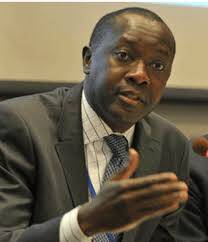
MONROVIA, Liberia, August 27, 2026 — Gbarpolu County Senator Amara Konneh has challenged the government to prosecute officials dismissed or suspended over alleged links to drug trafficking or reinstate those against whom there is insufficient evidence.
Konneh warned that dismissing or indefinitely suspending officials without bringing charges could fuel public perceptions of selective justice and undermine confidence in the government’s anti-drug campaign.
“The fastest way to prove this is not selective justice is to apply the same standard to everyone linked, uniform or not, and prosecute within 90 days,” Konneh said.
“Charge all suspended officers or reinstate those with no evidence,” he added.
Konneh made the remarks Wednesday at the Press Union of Liberia’s Edward Wilmot Blyden Intellectual Discourse in Monrovia.
The forum was held under the theme, “Confronting Drug Trafficking: Strengthening Institutions, Advancing Accountability, and Safeguarding the Rule of Law.”
The Gbarpolu senator called for swift, equal and transparent justice in Liberia’s ongoing fight against drug trafficking, arguing that recent enforcement actions must ultimately produce credible prosecutions rather than end with arrests, suspensions and the destruction of seized narcotics.
He commended President Joseph Nyuma Boakai, the Liberian Senate and the Joint Security Task Force for what he described as decisive actions against the growing drug threat, including major cocaine seizures and administrative actions against security officials accused of possible links to narcotics trafficking.
But Konneh said the government must now demonstrate that its actions can withstand judicial scrutiny.
“Suspending officials and burning confiscated drugs are the easy part. Securing a conviction in court is the hard part,” he said.
Konneh referenced a major cocaine case prosecuted during the administration of former President George Weah, arguing that the government’s failure to secure convictions demonstrated weaknesses in prosecution, evidence handling and financial investigations.
He warned that similar shortcomings could undermine current drug cases unless authorities strengthen investigations and properly preserve evidence.
Konneh also called for greater transparency in procurement and financial management within Liberia’s security institutions amid questions surrounding vehicles allegedly acquired for police and other security officials.
He said allegations involving vehicles purchased abroad, luxury SUVs and vehicles reportedly registered in the names of private individuals should be addressed publicly to maintain confidence in the ongoing drug investigations.
The senator called on the Joint Security Task Force to release relevant procurement and financial records, including Public Procurement and Concessions Commission approvals, asset-registration documents, Ministry of Finance and Development Planning payment vouchers and applicable Liberia Revenue Authority duty waivers.
Konneh said greater disclosure would help clarify questions surrounding the acquisition and ownership of the vehicles and strengthen public confidence in the security institutions.
Beyond prosecution and transparency, Konneh urged the government and Legislature to increase funding for drug enforcement agencies, arguing that poorly compensated security personnel could be vulnerable to financial inducements from wealthy trafficking networks.
“We cannot ask LDEA agents earning $150 to resist a cartel offering $50,000. That’s not accountability, that’s temptation,” he said.
Konneh pledged to work with fellow senators to push for increased budgetary support for the Liberia Drug Enforcement Agency, including funding for a forensic drug laboratory, hazard pay and insurance for Joint Security Task Force personnel.
He also proposed consideration of a specialized drug court to expedite the prosecution of narcotics cases.
The senator further called for stronger enforcement of provisions in Liberia’s drug laws dealing with the seizure, confiscation and forfeiture of assets linked to narcotics trafficking.
He proposed that proceeds from forfeited assets be directed toward rehabilitation centers and drug-treatment programs, particularly in counties including Gbarpolu, Bomi and Montserrado.
Konneh also stressed the importance of maintaining a credible chain of custody for seized narcotics, saying drugs must be properly documented and secured from the point of seizure through laboratory examination and presentation as evidence in court.
He maintained that Liberia’s success in combating drug trafficking would ultimately be measured not only by the quantity of narcotics seized, but by the government’s ability to investigate cases thoroughly, prosecute suspects fairly and secure convictions based on credible evidence.
See more Liberia News Network stories in Google Search by adding LNN as one of your Preferred Sources.
★ Add LNN as a Preferred Source