
n
The Ministry of Health has directed health facilities, border entry points, public buildings, and other institutions across Liberia to strengthen screening and strictly enforce Infection Prevention and Control (IPC) measures following Nigeria’s confirmation of an imported case of Ebola Bundibugyo virus disease.
In a press release issued Wednesday, October 21, 2026, the Ministry, in collaboration with the National Public Health Institute of Liberia (NPHIL), called for heightened vigilance in response to the regional outbreak, which began in the Democratic Republic of the Congo (DRC) and has raised public health concerns across the region.
The Nigerian case was reported in a woman with a recent travel history to Uganda. The infection involves the Bundibugyo virus, the same virus responsible for the wider outbreak, rather than a separate Ebola outbreak in Nigeria. The development has prompted heightened attention to cross-border surveillance and the risk of further transmission.
The Liberian government’s directive is a precautionary measure intended to strengthen the country’s capacity to detect suspected infections and prevent potential transmission. The advisory does not mean that an Ebola case has been confirmed in Liberia.
Under the directive, institutions must ensure that functional handwashing stations equipped with soap and water, or appropriate hand sanitizers, are available at entrances.
Facilities are also required to screen individuals for symptoms and obtain relevant travel and exposure histories in accordance with national health guidelines. The Ministry emphasized that temperature checks alone are insufficient to identify possible Ebola cases.
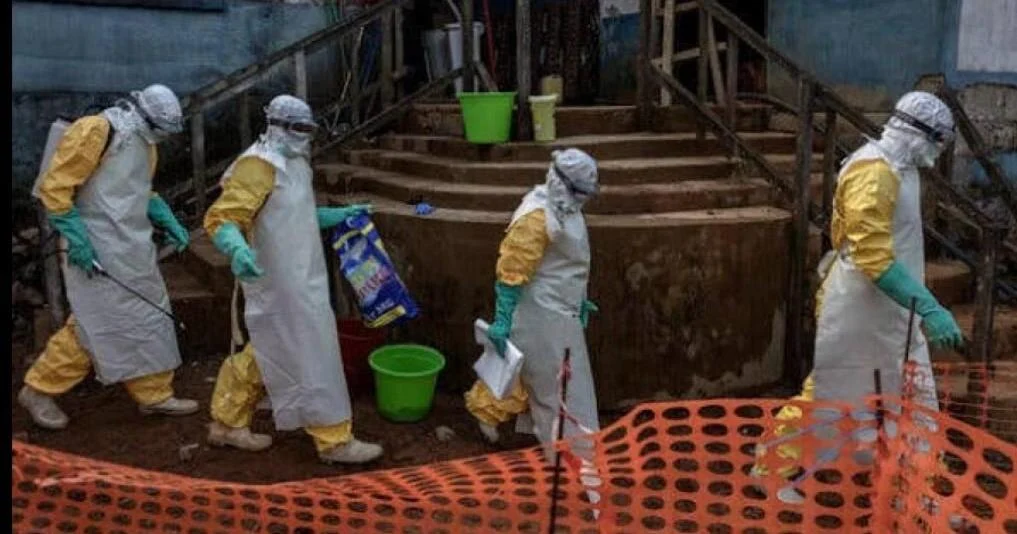
The measures further require strict adherence to hand hygiene, the proper use of protective equipment, environmental cleaning, and safe waste disposal.
The Ministry instructed facilities to immediately separate suspected cases from others and report them to the relevant County Health Teams and NPHIL. Any referral must be conducted safely through designated channels to facilitate appropriate medical assessment and response.
Given Liberia’s travel and trade connections with Nigeria, Uganda, Kenya, and the DRC, the measures are intended to strengthen the country’s ability to detect and respond to potential health threats before they escalate.
The Ministry said the travel advisory would be reviewed and updated periodically as necessary, allowing health authorities to adjust preventive measures in response to developments in the regional public health situation.
The government has also urged health facilities and other institutions to maintain adequate supplies for infection prevention and control and provide refresher training for frontline personnel.
Facility heads, county health authorities, border officials, and institutional managers have been instructed to ensure full compliance with the directive and promptly report gaps requiring additional support.
The Ministry stressed that early identification, timely reporting, and effective infection-control practices are essential to preventing the spread of infectious diseases.
Members of the public have been urged to remain vigilant, observe recommended preventive measures, and cooperate with health authorities to protect their communities.
The Ministry said accurate and timely updates would continue to be provided through official communication channels as authorities monitor developments surrounding the regional outbreak.
The directive forms part of Liberia’s precautionary response to regional public health concerns, with particular emphasis on strengthening screening, surveillance, reporting, and infection-control measures across public institutions.
See more Liberia News Network stories in Google Search by adding LNN as one of your Preferred Sources.
★ Add LNN as a Preferred Source