By Edwin N. Khakie
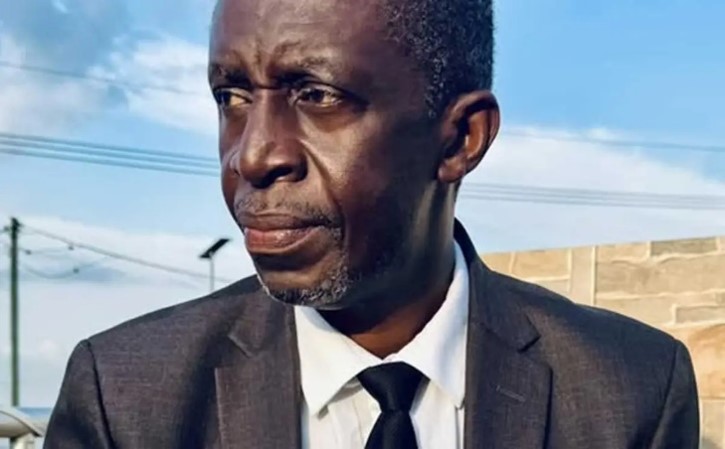
MONROVIA, September 22, 2026 — Liberian lawyer and politician Cllr. Tiawan Saye Gongloe has warned against using the country’s cybercrime law to punish citizens for criticizing public officials, arguing that legitimate criticism, satire and political expression should not be treated as cybercrime.
Speaking to journalists on freedom of expression, Gongloe said citizens must remain free to question public officials and demand accountability without facing arrest simply because their statements are considered offensive or embarrassing by those in authority.
“People have to disagree. They have to express their views,” Gongloe said, arguing that democracy cannot flourish when citizens are afraid to speak freely.
He maintained that public officials who believe their reputations have been damaged by statements made against them should seek appropriate civil remedies through the courts rather than use state institutions to pursue their critics.
Gongloe recalled his involvement in advocacy that contributed to the repeal of criminal defamation provisions under Liberia’s Kamara Abdullah Kamara Act of Press Freedom, arguing that the reforms were intended to expand the country’s democratic space and protect freedom of expression.
According to him, the changes were intended to prevent citizens from being arrested merely for statements public officials consider offensive, while preserving the right of individuals who believe they have been defamed to seek remedies through civil proceedings.
Gongloe also linked freedom of expression to citizens’ constitutional right to access information about the conduct of government, saying journalists play an important role in conveying information from public officials to the population.
He argued that because public officials exercise authority on behalf of citizens, they should expect scrutiny from journalists, civil society and the wider public.
His comments come amid debate over Liberia’s cybercrime legislation and concerns among some journalists, lawyers and civil society actors about how provisions dealing with online conduct could affect freedom of expression and political debate.
Gongloe maintained that cybercrime should involve criminal conduct committed through digital technology and should not automatically encompass criticism of government, political opposition or satire.
He said Liberia faces the challenge of protecting citizens and institutions against genuine cyber-related offenses while ensuring that legislation intended to address such crimes does not unnecessarily restrict legitimate public discourse.
Lawrence Yealo, President of the National Civil Society Council of Liberia, also participated in the discussion as civil society groups continue to examine the implications of Liberia’s evolving legal framework for online activities.
Gongloe called for greater public awareness of laws enacted by the government, saying journalists and civil society organizations have an important responsibility to explain such legislation and its potential implications for citizens.
The debate highlights continuing questions over how Liberia can address unlawful online conduct while preserving constitutional protections for freedom of speech, press freedom and legitimate scrutiny of public officials.
See more Liberia News Network stories in Google Search by adding LNN as one of your Preferred Sources.
★ Add LNN as a Preferred Source