Published: October 9, 2026
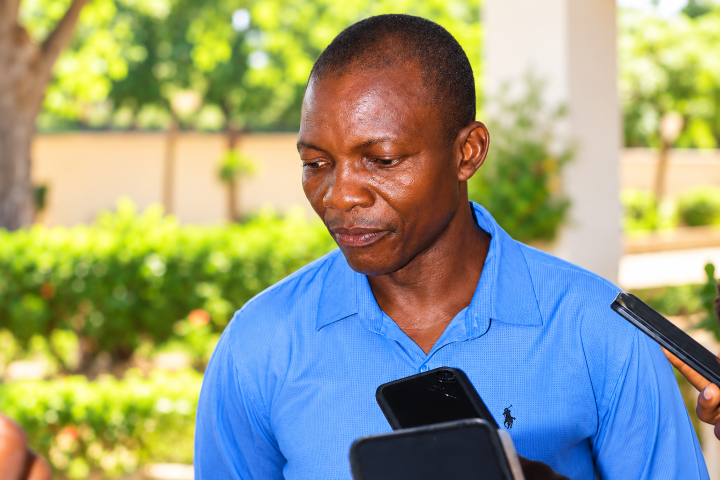
MONROVIA — Eric W. Wowoh, the Liberian businessman charged in connection with a disputed US$30,500 property transaction involving a Liberian-American couple, has broken his silence, strongly denying allegations of fraud and unlawful land conveyance while challenging the financial claims and property ownership documents at the center of the criminal case.
Wowoh, who is associated with Change Agent Network, maintained that he neither misappropriated funds nor unlawfully sold property belonging to Rebekah Acquah and her husband, John Acquah, both residents of Rhode Island, United States.
In a formal response to the allegations, Wowoh disputed the police account of the transaction, insisting that the matter should be determined through documentary evidence and the judicial process rather than public accusations.
“I deny the allegations that I misappropriated money or sold property belonging to the Acquahs. These claims must be evaluated against the evidence presented in court, where I intend to respond fully,” Wowoh stated.
His response follows criminal charges brought against him by the Liberia National Police (LNP) for theft of property, receiving money under false pretenses and criminal conveyance of land in connection with a disputed property in the Rock Church Community, Duazon, Margibi County.
According to a police charge sheet dated Oct. 6, 2026, Wowoh allegedly entered into an agreement in December 2024 to sell the couple two lots of land valued at US$5,500 and an unfinished residential structure valued at US$25,000, bringing the total transaction to US$30,500.
Investigators alleged that Wowoh received payments from the couple, provided property documents and subsequently retrieved those documents before selling the same property to another buyer.
However, Wowoh rejected the suggestion that the transaction amounted to criminal conduct, maintaining that the full purchase price was never paid and that no deed transferring ownership to the Acquahs was executed by him.
While acknowledging that the agreed purchase price was US$30,500, he disputed claims that he received US$18,741 toward the transaction, arguing that the reported figure requires documentary verification.
According to Wowoh, he has not been presented with a complete accounting establishing the dates, amounts, recipients and purposes of the payments allegedly made by the couple.
He maintained that money paid directly toward the property should be distinguished from payments made to organizations or for separate projects, warning against combining unrelated financial transactions to establish the amount allegedly owed.
Wowoh called for a comprehensive reconciliation of all payments before any conclusion is reached regarding the financial dispute.
The police charge sheet itself contains differing figures concerning the transaction. While the complaint indicates that the Acquahs paid US$18,741, investigators reported that Wowoh acknowledged receiving US$9,200 from Rebekah Acquah as part payment.
The discrepancy remains a central issue in the competing accounts of the transaction.
Addressing allegations that he unlawfully conveyed the property to another buyer, Wowoh acknowledged that discussions concerning a possible new sale agreement had taken place but maintained that no new agreement was finalized with the Acquahs.
He said he subsequently informed the couple that he would no longer proceed with the transaction before selling the property to another purchaser.
According to him, he never signed a deed transferring ownership of the disputed property to the Acquahs, a position that directly challenges the allegations contained in the police investigation.
Wowoh also disputed claims surrounding the handling of the property documents.
He maintained that the warranty deed initially provided to the couple was neither signed nor dated by him and therefore questioned whether it could establish a completed transfer of ownership.
He further disclosed that Rebekah Acquah had informed him that the original property documents were missing in the United States, although he acknowledged that he did not personally witness their disappearance.
According to Wowoh, he subsequently used available copies of the documents and his identification to obtain replacement property records based on the information available to him.
He maintained that he had not received the original documents and was prepared to submit relevant records to clarify the circumstances surrounding their replacement.
“I am prepared to provide the records in my possession, including receipts, bank or transfer records, written communications, property documents, and other relevant materials that can help clarify the transactions and the circumstances surrounding this dispute,” he said.
The businessman also confirmed that he and his legal representative appeared at the Monrovia City Court at 9 a.m., as directed, to address the allegations.
He claimed that the Acquahs’ legal representatives were not present when he appeared, based on his observation at the time, but declined to speculate about their absence.
Wowoh emphasized that the court remains responsible for determining the next steps in the proceedings.
Despite disputing the allegations, he expressed willingness to address any verified financial obligations arising from the transaction.
He said he was prepared to provide records of payments received and discuss the return of amounts established to have been paid specifically toward the property.
However, he insisted that any repayment must be based on a proper reconciliation of the transactions rather than disputed or unverified figures.
The controversy has attracted attention following the police decision to charge Wowoh under Chapter 15, Subchapter A, Sections 15.5 and 15.23 of Liberia’s Revised Penal Code.
The Acquahs, through their legal representative, Atty. Stephen B. Lavelah of Kailando and Associate Law Firm, reported the matter to the police Crime Services Department on Sept. 11, 2026.
Police subsequently arrested Wowoh on Sept. 16 at LNP headquarters in Monrovia before completing their investigation and filing the charges.
Investigators maintain that the evidence gathered supports allegations that Wowoh received money for the property and subsequently conveyed it to another buyer.
Wowoh, however, insists that the police allegations do not accurately reflect the circumstances surrounding the transaction and that the evidence must be subjected to judicial scrutiny.
He also appealed to journalists and media institutions to exercise caution in reporting the case, emphasizing the importance of distinguishing allegations from established facts.
According to him, statements attributed to third parties, disputed financial records and claims concerning ownership should not be presented as conclusive evidence before the court makes its determination.
Wowoh further maintained that he intends to protect his personal reputation and that of Change Agent Network, stressing that the organization should not be implicated in allegations arising from the disputed transaction without evidence establishing its involvement.
The available police account does not establish that Change Agent Network participated in the property transaction or the alleged offenses.
While the police have maintained that their investigation supports criminal charges, Wowoh’s response introduces competing claims concerning the amount paid, the status of the property documents and whether ownership was ever legally transferred to the Acquahs.
Those issues are expected to form part of the evidence examined during judicial proceedings.
It remains unclear whether the parties have reached any agreement concerning repayment or whether the disputed property has been subjected to additional legal action.
Wowoh maintains that he will cooperate with the judicial process and present available documents to support his defense.
See more Liberia News Network stories in Google Search by adding LNN as one of your Preferred Sources.
★ Add LNN as a Preferred Source