
n
Witness Protection Agency (WPA) Executive Director Atty. Teklo Maxwell Grigsby has called for constitutional reforms to address what he described as a “superior presidency,” warning that immunity provisions and legal loopholes undermine Liberia’s fight against corruption.
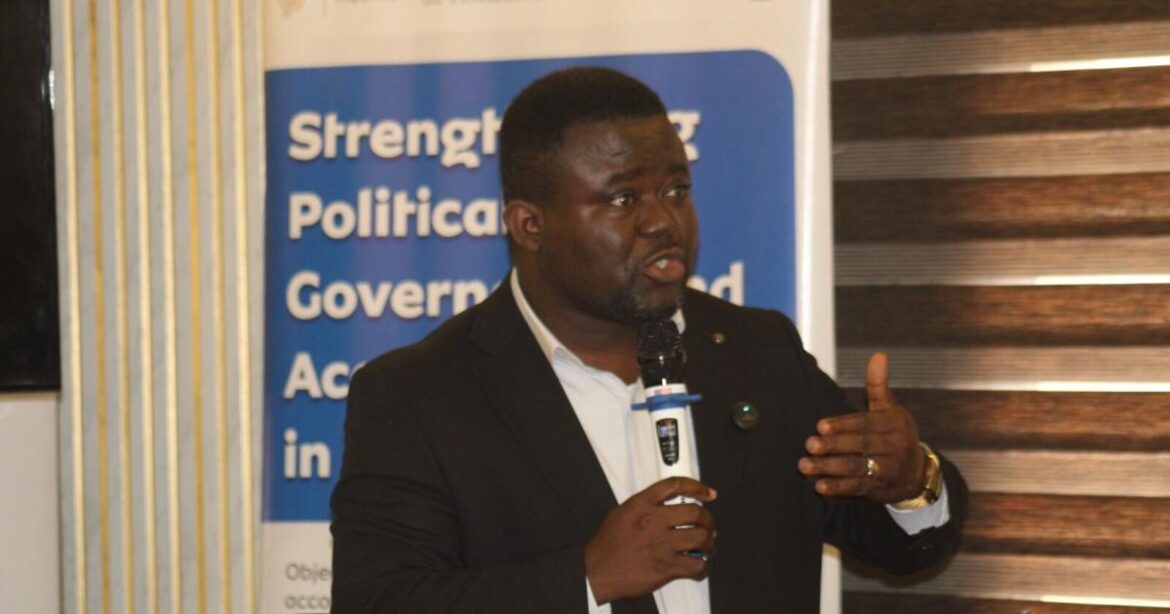
Speaking at a Governance Commission (GC) multi-stakeholder policy dialogue on transparency, accountability and citizens’ participation for inclusive development, Grigsby acknowledged progress in combating corruption but said existing legal protections continue to frustrate accountability efforts.
He cited the establishment of the General Auditing Commission, Liberia Anti-Corruption Commission, Office of the Ombudsman and WPA as significant developments over the past two decades. However, he argued that institutional progress would remain limited without addressing constitutional and procedural barriers.
At the center of his concerns is Article 61 of the Constitution, which provides immunity for the president from prosecution while in office, subject to constitutional removal procedures.
Grigsby argued that prosecuting a sitting president would require impeachment proceedings in the House of Representatives, a Senate trial and removal from office before criminal prosecution could proceed.
“We are one of the few countries in the world with that provision in our law,” he said, urging the Governance Commission to advocate constitutional amendments to reconsider presidential immunity.
He described the arrangement as contributing to a “superior presidency,” arguing that constitutional protections should not prevent accountability for powerful public officials.
Grigsby also cited Articles 42 and 43, which provide legislative protections, and Articles 65 through 76, concerning the judiciary and related constitutional safeguards.
“These immunities are elements of corruption,” he said, expressing concern that such provisions could obstruct accountability. He argued that reforms should ensure public officials are not beyond the reach of the law.
Beyond constitutional immunity, Grigsby identified procedural delays and statutes of limitation as obstacles to prosecuting corruption cases.
He cited Section 18.2 of the Criminal Procedure Law, which he said requires criminal defendants to be tried within two terms of court or risk dismissal. He explained that investigators and prosecutors struggle to meet deadlines while handling corruption, drug-related and other criminal cases.
“If you don’t trial them in two terms, you file for dismissal,” he said.
Grigsby also criticized the five-year statute of limitations applicable to corruption cases, saying delays could prevent prosecutions from proceeding. He cited the 2014 Nwaka case, claiming defendants were freed because the government failed to bring the matter to trial within five years.
To address these challenges, he urged citizens to pressure lawmakers to pass a proposed Anti-Corruption Court Law currently before the Legislature. He said the legislation would remove the statute of limitations for corruption cases and streamline procedures to reduce delays.
“That law will solve most of the things I’m talking about,” Grigsby said.
He also emphasized protecting whistleblowers and witnesses whose cooperation supports corruption investigations and criminal prosecutions.
Established under Liberia’s 2021 Whistleblower Law and Witness Protection Law, the WPA is mandated to protect witnesses from threats or harm resulting from their testimony.
“The agency has a simple mandate to ensure that those who brave the storm to provide testimony against corrupt individuals, those who commit crime, do not get affected because of testifying against them,” he said.
Grigsby said the agency had invited some ministers for hearings over alleged retaliation against whistleblowers. He added that the WPA had informed the Civil Service Agency that administrative directives restricting disclosure could not override protections provided by law.
He welcomed President Joseph Boakai’s reported call for increasing whistleblower incentives from five percent to 10 percent, including a proposed seven-percent incentive and an additional three-percent bounty upon a finding of probable cause.
Grigsby also linked accountability to public finances, arguing that addressing tax expenditures could increase government revenue. He said Liberia’s budget had grown from approximately US$600 million in 2023 and could reach US$1.2 billion if tax concessions were addressed.
“We are hopeful about this country. We’re not worried. We’re very hopeful,” he said, calling for stronger laws, effective prosecutions and constitutional reforms to strengthen Liberia’s accountability system.
See more Liberia News Network stories in Google Search by adding LNN as one of your Preferred Sources.
★ Add LNN as a Preferred Source