
By S. Matthew M. Quoi Jr.
Monrovia, July 1, 2026 – Acting Governance Commission (GC) Chairperson Prof. Alaric K. Tokpa has called for a coordinated national effort to combat money laundering, corruption, terrorist financing and other illicit financial activities that threaten Liberia’s economy and governance.
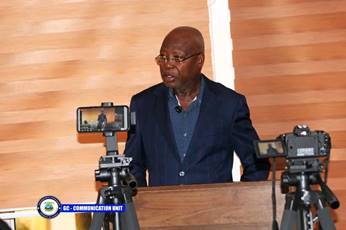
Speaking Tuesday at the launch of the Financial Intelligence Agency’s (FIA) 2026-2031 Strategic Plan in Monrovia, Prof. Tokpa described the document as a roadmap for strengthening financial transparency, accountability and institutional integrity over the next five years.
He said no single institution can effectively combat complex financial crimes, urging closer collaboration among government institutions, the private sector, civil society organizations and international partners.
According to him, financial intelligence has become a critical pillar of modern governance because it enables authorities to detect suspicious transactions, prevent illicit activities and protect national resources.
Prof. Tokpa warned that money laundering, corruption, fraud and terrorist financing undermine national development by draining public resources, weakening public confidence in state institutions and discouraging investment.
He said such crimes also distort fair competition and create opportunities for criminal networks to thrive.
The acting GC chair emphasized that protecting Liberia’s financial system is essential to safeguarding democratic institutions, economic stability and the country’s long-term development.
He described the Financial Intelligence Agency as a key institution in Liberia’s governance architecture, noting that its work complements Pillar Four of the government’s ARREST Agenda for Inclusive Development, which focuses on governance, accountability and the fight against corruption.
Prof. Tokpa acknowledged that the FIA faced governance and operational challenges in the past that affected public confidence but said the agency has made significant progress under the leadership of Director General Mohammed A. Nasser.
He cited recent regulatory actions, compliance measures and investigations into suspected financial irregularities as evidence of the agency’s renewed commitment to enforcing its statutory mandate.
The acting chair also stressed the importance of regional and international cooperation, noting that financial crimes often involve cross-border transactions that require intelligence sharing and adherence to international standards.
Describing the 2026-2031 Strategic Plan as more than an administrative document, Tokpa said it establishes clear priorities and measurable targets to guide the FIA’s work and evaluate its performance.
He encouraged public institutions to strengthen inter-agency cooperation, urged private sector actors to improve compliance with financial regulations and reporting requirements, and called on civil society organizations to continue raising public awareness about the dangers of financial crimes.
Prof. Tokpa reaffirmed the Governance Commission’s commitment to supporting the Financial Intelligence Agency, expressing confidence that the successful implementation of the five-year strategic plan will contribute to a more transparent, accountable and prosperous Liberia.
