Published: September 4, 2026
MONROVIA — Clarence K. Massaquoi took over the Liberia Telecommunications Authority with a mandate that reaches well beyond mobile phone companies, into a sector now central to education, financial services, commerce, government, cybersecurity, and how Liberians reach each other at home and across borders.
His tenure is being defined by an effort to turn telecommunications regulation into an instrument of national development: extending internet access to schools and underserved communities, strengthening consumer protection, opening Liberia to satellite connectivity and pushing the country back into regional telecommunications affairs.
The work is anchored in the authority’s 2025-2029 strategic plan, which puts universal connectivity, digital inclusion, consumer protection, regulatory oversight, innovation and investment at the center of its agenda.
Regulation beyond Monrovia
A large part of that effort is taking the authority’s services out of the capital. The authority is opening its first consumer support center in Buchanan, Grand Bassa County, under a nationwide decentralization program meant to give residents outside Monrovia direct access to complaint resolution, consumer education and regulatory support.
The center will serve Grand Bassa and surrounding counties and cut the need for consumers to travel to Monrovia to resolve telecommunications complaints, said Lekpele Nyamalon, consumer manager at the authority, speaking on Ablee-Jay Radio and TV. It will handle complaints involving mobile, internet and other telecommunications services while teaching consumers their rights and responsibilities, and similar regional offices are planned across the country.
Back at the continental table
In July 2026, Liberia secured a waiver of US$361,151.36 in legacy arrears owed to the African Telecommunications Union, restoring the country’s full voting rights and its standing in decisions shaping Africa’s digital future. That allowed Liberia to take part in adopting the 2026 Abuja Declaration on Meaningful Connectivity, which emphasizes affordable broadband, cybersecurity, digital literacy and investment in digital infrastructure.
Satellites, fiber and the .lr domain
The authority has adopted satellite guidelines setting a framework for satellite service providers in unserved and underserved communities, including provisions for direct-to-device technology that could let people in remote areas connect by satellite where terrestrial networks do not reach. It is also promoting investment in 5G, fiber, telecommunications towers and submarine cable infrastructure.
The authority is advancing the redelegation of Liberia’s .lr country-code top-level domain, the country’s identity on the internet, to strengthen national ownership, governance and security. Under the proposed framework, the Ministry of Posts and Telecommunications and the authority would provide policy oversight, the Liberian Internet Domain Registry would run technical operations, and a multi-stakeholder advisory council would support policymaking and stakeholder participation.
Schools and students
Through School Connect, the authority is working to bring reliable high-speed internet to public senior high schools and technical and vocational institutions. The first facility was launched at Booker Washington Institute in Kakata, and the program targets 156 public senior high schools and technical and vocational institutions nationwide.
Massaquoi has widened the authority’s engagement with students, announcing an initial US$15,000 contribution toward the National Students Quizzing Competition in 2026 and calling for greater digital opportunity for young Liberians.
Cheaper calls across borders
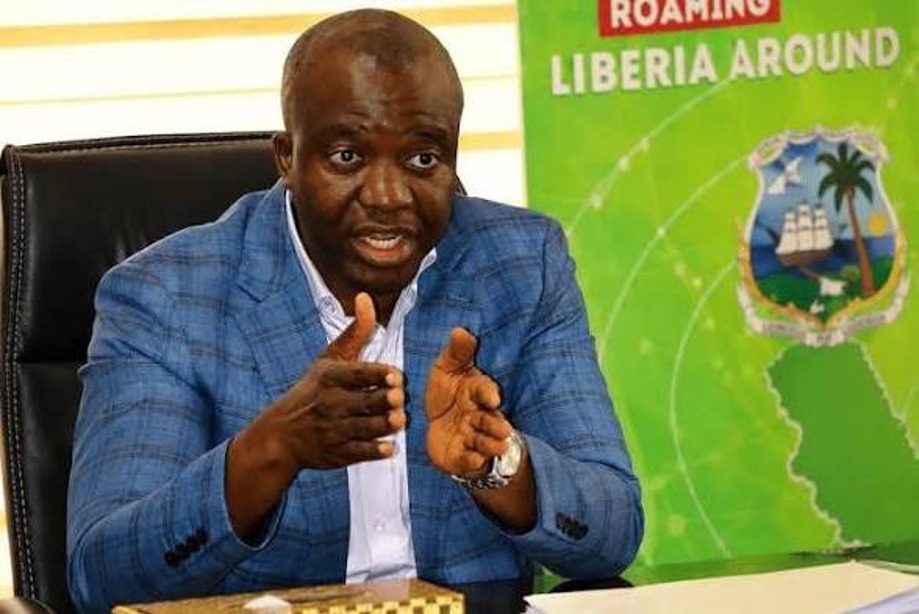
Liberia and Sierra Leone launched a free roaming arrangement in August 2025, letting subscribers traveling between the two countries communicate at local rates instead of international roaming charges. The arrangement has since extended to other West African countries, including Ghana, Côte d’Ivoire and The Gambia, with technical implementation progressing. It is intended to cut costs for traders, businesses, travelers and families and to support cross-border commerce and regional integration.
A firmer hand
In July 2026, the authority revoked Starcell International Liberia’s universal telecommunications license and spectrum authorization, saying the company failed to begin operations, meet its financial obligations and Universal Access Fund contributions, comply with regulations and answer regulatory directives. The revocation followed a 90-day suspension during which the company was given the chance to correct the violations.
Cybersecurity
Through a nationwide cybersecurity marathon, the authority has taken awareness campaigns to communities including Buchanan and Harper, teaching students and other residents about cyber threats, cyberbullying, responsible internet use and protection of personal information. Massaquoi has pressed for movement on Liberia’s pending cybersecurity legislation, arguing that expanded connectivity has to come with stronger safeguards.
The authority’s board of commissioners has signed a 2026 performance contract committing the institution to defined targets tied to Liberia’s telecommunications and information technology goals, and the authority has issued a service delivery charter setting standards for its services and the routes through which consumers can seek redress.
See more Liberia News Network stories in Google Search by adding LNN as one of your Preferred Sources.
★ Add LNN as a Preferred Source