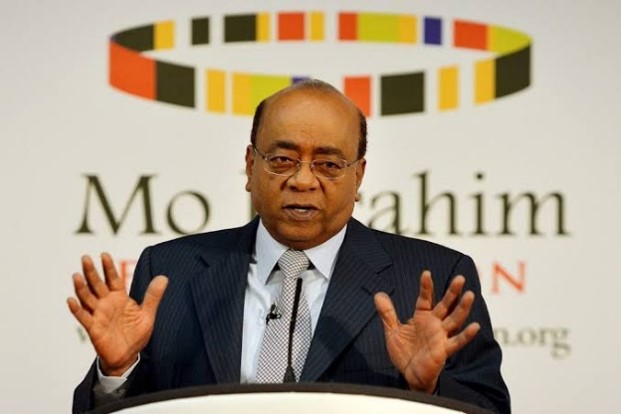
MONROVIA, November 11, 2026: Liberia has recorded one of Africa’s sharpest declines in anti-corruption performance over the past decade, despite improvements in overall governance, according to the 2026 Ibrahim Index of African Governance (IIAG).
The report, released by the Mo Ibrahim Foundation on October 31, 2026, ranks Liberia 27th among 54 African countries, with an overall governance score of 50.2 out of 100.
Although Liberia’s overall score increased by 1.2 points between 2016 and 2025, its anti-corruption performance declined by 12.2 points, representing the second-largest deterioration among African countries in that category.
The findings raise concerns about accountability, transparency, and the effectiveness of public institutions in managing government resources.
According to the Index, Liberia’s decline in anti-corruption performance was partly driven by a 41.1-point deterioration in Public Procurement Procedures, highlighting weaknesses in government contracting and procurement accountability.
The findings are particularly significant given the importance of public procurement to infrastructure development, service delivery, and the management of national development resources.
Despite these setbacks, the report indicates that Liberia’s overall governance performance has improved, gaining 2.5 points since 2021.
The country recorded a 20.7-point improvement in the Rural Economy indicator, making it Africa’s second most improved country in that category during the period under review.
Liberia also registered a seven-point improvement in Rights, placing eighth among African countries in that category, while ranking eighth continentally in Participation.
Additionally, the country recorded a 32.7-point increase in Public Perceptions of Economic Opportunities, reflecting improved assessments of economic prospects.
In education, the Index presents mixed results.
While Liberia recorded a 25.2-point improvement in Education Quality over the decade, Education Enrolment declined by 29.7 points, raising concerns about access to schooling.
The report also identifies Liberia among seven African countries experiencing an accelerating deterioration in Human Resources in Education, pointing to challenges involving educational personnel.
The contrasting findings suggest that improvements in certain quality-related education indicators have not been matched by corresponding gains in enrollment and human resources.
The 2026 Ibrahim Index assesses governance performance across 54 African countries between 2016 and 2025, examining governments’ ability to deliver public services, protect fundamental rights, strengthen accountability, and create opportunities for economic development.
Published biennially by the Mo Ibrahim Foundation, the Index measures performance across four major categories: Security and Rule of Law; Participation, Rights and Inclusion; Foundations for Economic Opportunity; and Human Development.
For Liberia, the assessment spans successive administrations, including the final years of former President Ellen Johnson Sirleaf’s government, the administration of former President George Manneh Weah, and the first two years of President Joseph Nyuma Boakai’s leadership.
The findings highlight improvements in selected governance indicators while exposing persistent weaknesses in anti-corruption, public procurement, and access to education.
They also provide a basis for evaluating whether governance reforms are translating into improved public services, stronger institutional accountability, and broader economic opportunities for Liberians.
See more Liberia News Network stories in Google Search by adding LNN as one of your Preferred Sources.
★ Add LNN as a Preferred Source