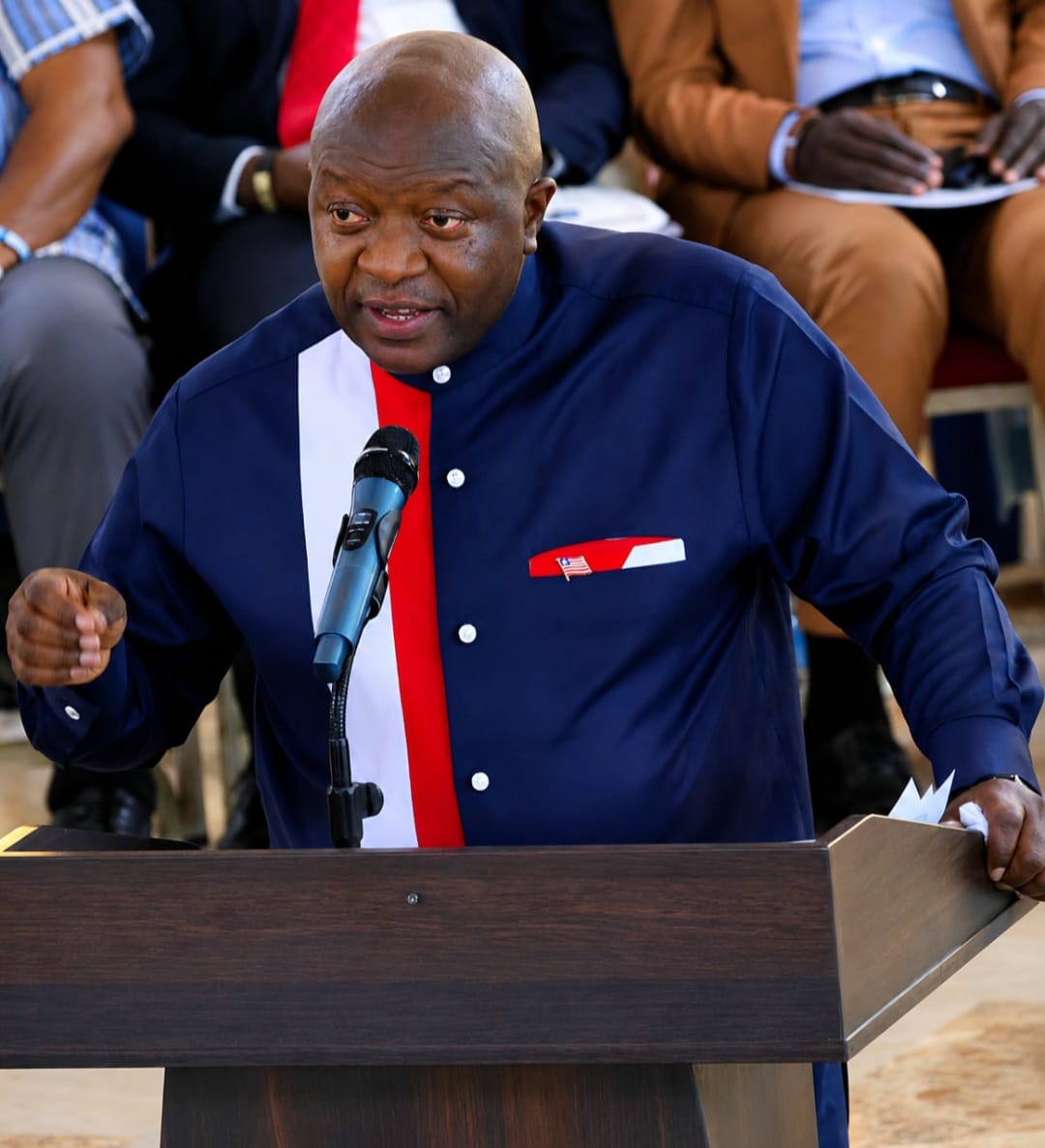
MONROVIA, Liberia, September 18, 2026: Finance and Development Planning Minister Augustine Kpehe Ngafuan says US$50 million or less may currently remain in government accounts from more than US$1 billion in domestic revenue collected so far this year, explaining that the money has been continuously spent to finance government operations and development programs.
Ngafuan made the disclosure Thursday, September 17, during an appearance on OK FM’s Morning Rush, amid growing public discussion over the government’s announcement that domestic revenue collections had surpassed US$1 billion.
According to the Finance Minister, the US$1 billion figure should not be interpreted as meaning the government currently has that amount in its bank accounts.
Rather, he explained, the figure represents cumulative revenue collected during the year, while expenditures have simultaneously been made to finance government obligations.
“The US$1 billion, we started spending the US$1 billion since January,” Ngafuan explained, stressing that government revenue “doesn’t sit in the bank account” but is raised and spent.
His comments provide additional context to the government’s announcement that Liberia has surpassed US$1 billion in domestic revenue collection for the first time.
President Joseph Nyuma Boakai, in a national address this week, described the milestone as historic, saying Liberia had raised more than US$1 billion in domestic revenue in a single year without borrowing or foreign aid.
The President credited the Liberia Revenue Authority (LRA), the Ministry of Finance and Development Planning, other revenue-generating institutions and taxpayers for the achievement.
Government figures show domestic revenue rising from approximately US$612 million in 2023 to US$699 million in 2024 and US$848 million in 2025. The administration says it is targeting approximately US$1.3 billion in domestic revenue by the end of 2026.
Ngafuan’s latest explanation shifts attention from how much the government has collected to how the revenue has been spent and what remains available at any particular point in the fiscal year.
The distinction is significant as the administration faces growing public demands for the record revenue collection to translate into improvements in healthcare, education, infrastructure, public-sector compensation and other basic services.
President Boakai has said the increased revenue is supporting government development priorities and has pledged that the benefits should be reflected in the lives of ordinary Liberians.
The President has also indicated that his administration is considering measures to address some of the effects of salary harmonization and provide greater support to public-sector workers.
The revenue milestone has already triggered demands from some groups. The Liberia Nurses Association, for example, has called for a minimum monthly salary of US$500 for nurses beginning with the next budget year.
The issue has also drawn scrutiny from the opposition Congress for Democratic Change (CDC), which has called on the government to show how the increased revenue is translating into tangible benefits for citizens.
Ngafuan’s disclosure could therefore intensify public attention on government expenditure, particularly where the money has been allocated and what programs and projects it has financed.
As preparations for the 2027 national budget gather momentum, the debate is likely to increasingly center not only on how much revenue Liberia can raise, but also on how effectively and transparently those resources are spent.
See more Liberia News Network stories in Google Search by adding LNN as one of your Preferred Sources.
★ Add LNN as a Preferred Source