
The World Bank Group Board of Executive Directors has approved US$45.4 million in financing for the Liberia Forest Economy Project (LiFE-P), aimed at strengthening forest conservation, creating jobs, and expanding economic opportunities for communities dependent on the country’s forest resources.
The financing comprises a US$40 million credit from the International Development Association (IDA) and a US$5.4 million grant from the Global Partnership for Sustainable and Resilient Landscapes (PROGREEN).
The project is expected to support Liberia’s efforts to transform its forest resources into a stronger source of sustainable livelihoods, private investment, and long-term economic growth while protecting the environment.
Liberia holds the largest remaining share of the Upper Guinea Forest, one of the world’s most biodiverse ecosystems. The country’s forests provide essential environmental services, support local livelihoods, and contribute to the national economy. However, their potential to generate employment, increase incomes, and strengthen climate resilience remains largely untapped.
According to the World Bank, weak governance, limited institutional capacity, and underdeveloped value chains continue to constrain the sector’s contribution to economic development.
The LiFE-P is the first operation in a planned eight- to 10-year series of projects designed to address these challenges by improving forest governance, expanding community-managed forests, and increasing employment and income opportunities for forest-dependent populations.
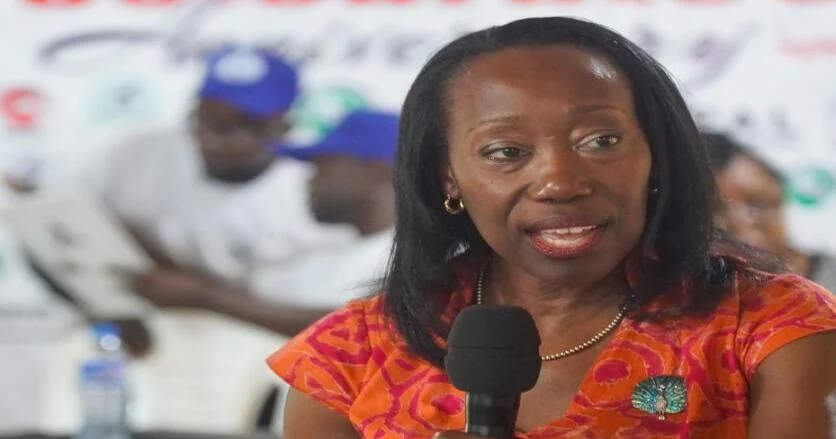
“Liberia’s forests are one of the country’s greatest natural assets: with strong and responsible stewardship, they can create jobs, power growth, and promote climate resilience,” said Georgia Wallen, World Bank Group Country Manager for Liberia.
She said the project places communities at the center of forest management while strengthening transparency and creating a more favorable environment for responsible private investment.
“By putting communities at the center, strengthening transparency, and enhancing the environment for responsible private investment, LiFE-P supports Liberia’s ambition to improve forest management and value chain development. We are proud to support the Government of Liberia in this long-term effort,” Wallen added.
The project will be implemented in six counties: Gbarpolu, Grand Cape Mount, Grand Bassa, Rivercess, Grand Gedeh, and Sinoe. It is expected to benefit approximately 110,000 people, with women accounting for at least 45 percent of beneficiaries and young people representing at least 20 percent.
Key interventions will include strengthening legal enforcement, improving access to open data, and introducing digital traceability systems. The project will also build the institutional capacity of the Forestry Development Authority (FDA) and support 20 Community Forest Management Areas.
In addition, the initiative will finance the restoration of degraded lands and plantations while improving the management of Gola Forest National Park and the Lake Piso Multiple Use Reserve.
These interventions are expected to bring approximately 892,600 hectares under enhanced conservation or sustainable management, contributing to the protection of Liberia’s forest ecosystems.
The project will also promote employment and private-sector participation through two initiatives: Forestry Enterprise Grow and Forestry Skills Grow. Together, these programs are expected to engage approximately 1,000 enterprises and help mobilize US$17 million in private investment.
Ngao Mubanga, World Bank Group Senior Environmental Specialist and Task Team Leader, described the financing as the beginning of a long-term partnership to develop a forest economy that benefits both people and nature.
“This is the start of a long-term partnership to build a forest economy that works for people and nature,” Mubanga said.
He explained that stronger governance and traceability, improved community forest management, and support for local businesses would reinforce one another, creating sustainable income opportunities for households while protecting the country’s forests.
Beyond its economic and social benefits, the project is expected to deliver significant environmental gains. Over a 25-year period, it is projected to reduce net greenhouse gas emissions by approximately 5.2 million tons of carbon dioxide equivalent.
The financing represents a major investment in Liberia’s efforts to link forest conservation with inclusive economic development, positioning communities, local enterprises, and public institutions as important partners in building a sustainable forest economy.
See more Liberia News Network stories in Google Search by adding LNN as one of your Preferred Sources.
★ Add LNN as a Preferred Source