
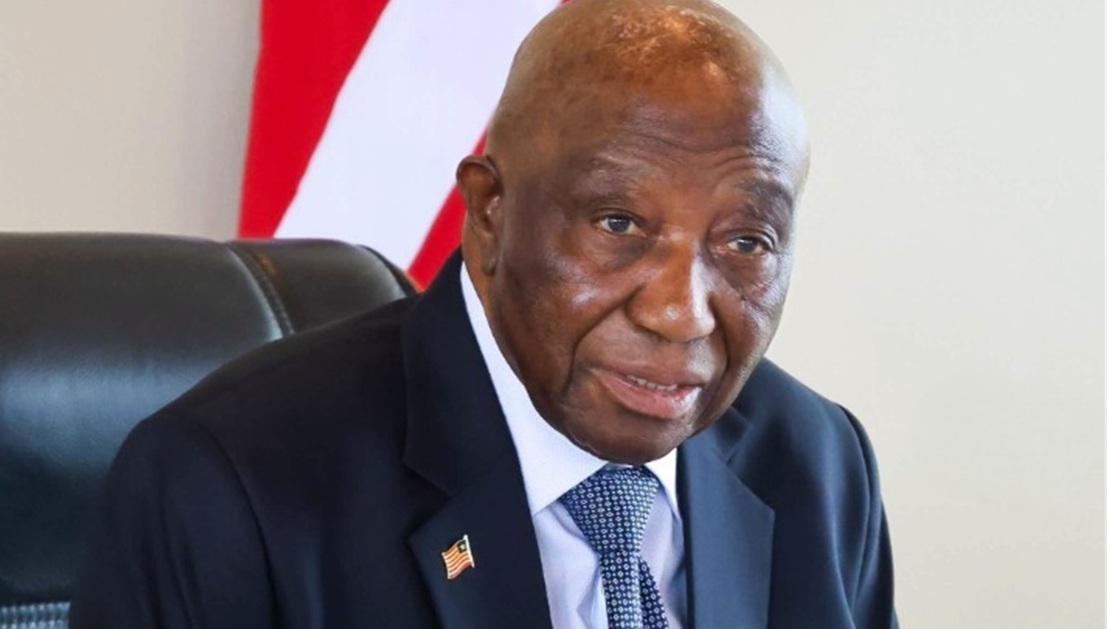
MONROVIA, LIBERIA — As the Unity Party government celebrates Liberia’s historic crossing of the US$1 billion domestic revenue mark, questions are emerging over whether a stronger crackdown on unjustified tax waivers and concessions could help sustain the country’s revenue growth in the years ahead.
\n
President Joseph Nyuma Boakai announced in September 2026 that the government had collected more than US$1 billion in domestic revenue during the first nine months of the year, with a year-end target of approximately US$1.3 billion.
The milestone raises a critical question: can Liberia continue generating more than US$1 billion annually by improving tax collection, reviewing concessions and ensuring that businesses pay what they legally owe?
\n
One potential source is the reform of tax waivers granted to companies operating in Liberia.
According to the Liberia Revenue Authority’s Annual Tax Expenditure Report for 2023–2024, the country forwent an estimated US$240.34 million in potential tax revenue in 2024 through exemptions and concessions.
\n
The amount included approximately US$101.51 million in goods and services tax exemptions, US$84.71 million in import-duty exemptions and US$54.12 million in business-income-tax concessions.
However, the US$240.34 million does not represent money the government can automatically collect by cancelling all exemptions. Some concessions may be legally protected, and others may have legitimate economic benefits. The actual amount recoverable would depend on legal reviews, enforcement and the economic effects of proposed changes.
\n
IMF Identifies Additional Revenue Potential
The International Monetary Fund has urged Liberia to streamline generous tax exemptions, particularly those granted to mining concessions.
\n
In its 2025 assessment, the IMF estimated that measures addressing tax expenditures could yield approximately US$10 million in 2026. Other proposed measures, including changes to goods and services tax and reforms to the personal and corporate income-tax bases, could provide additional revenue.
These estimates suggest that tax reform could help strengthen Liberia’s domestic revenue base. However, the government must distinguish between projected revenue and money actually collected.
\n
For the Boakai administration, the challenge is not simply crossing the US$1 billion threshold once. It is establishing a dependable system capable of sustaining that level without relying excessively on exceptional payments or one-time receipts.
Can Tax Reform Help Finance the National Budget?
\n
The answer is yes, but tax-waiver reform must work alongside other measures, including better enforcement, stronger customs controls, broader tax registration, improved property-tax collection and the development of the formal economy.
The government should also examine whether companies receiving tax incentives have fulfilled the investment, employment and other obligations attached to their concessions.
\n
Where exemptions are no longer justified or have expired, the authorities should take lawful steps to end the benefits. Where taxes are legally due, the government should ensure they are assessed and collected fairly.
The Legislature also has a responsibility to examine the cost of proposed concessions and demand evidence that they provide benefits to the Liberian people.
\n
A Revenue Strategy Beyond One Billion Dollars
Liberia’s crossing of the US$1 billion domestic revenue mark represents an important fiscal milestone. But sustaining it will require more than celebrating the achievement.
\n
The government should publish clear annual targets showing how much it expects to collect from ordinary taxes, mining companies, customs duties, non-tax revenue and reforms to tax exemptions. It should also report actual collections against those targets.
Such transparency would help Liberians understand whether revenue growth is becoming sustainable and whether the country is reducing its dependence on exceptional receipts.
\n
The government must also demonstrate how increased revenue translates into better roads, improved schools, stronger healthcare services, reliable electricity and better living conditions.
Ultimately, tax-waiver reform could become an important pillar of the UP administration’s effort to sustain annual revenue above US$1 billion. But its contribution must be measured in additional revenue actually collected—not merely the estimated value of exemptions on government records.
\n
The central question is no longer only whether Liberia can raise more than US$1 billion. It is whether the government can sustain that achievement, protect public revenue and turn every additional dollar collected into measurable improvements in the lives of Liberians.The important figures behind the story
US$240.34 million: Estimated tax revenue forgone in 2024, not the amount automatically recoverable.
\n
US$10 million: IMF estimate for the potential 2026 yield from measures addressing tax expenditures.
More than US$1 billion: Domestic revenue reportedly collected during the first nine months of 2026, according to President Boakai.
\n
Approximately US$1.3 billion: The government’s reported revenue target for the end of 2026.
See more Liberia News Network stories in Google Search by adding LNN as one of your Preferred Sources.
★ Add LNN as a Preferred Source