
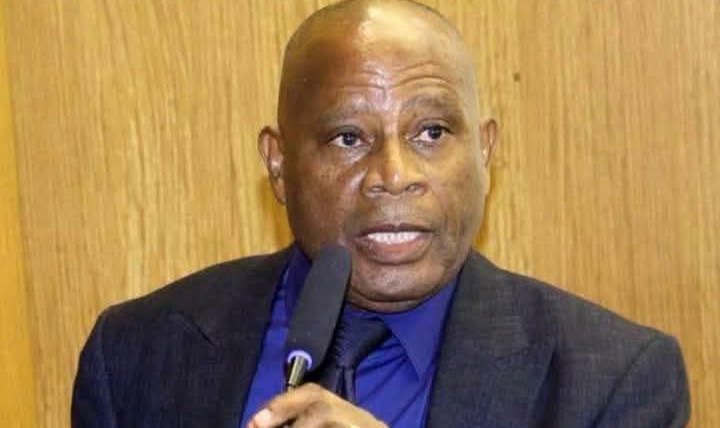
MONROVIA – Senator Augustine Chea has called for a balanced national conversation over former First Lady Clar Marie Weah’s decision to establish a restaurant in Ghana, arguing that while she has the right to pursue private business interests, her previous position in Liberia’s public life makes legitimate questions about her investment choices unavoidable.
\n
Chea, writing Monday, November 23, 2026, in a commentary titled “Good Business Decision, But Poor Public Relations,” maintained that the debate surrounding Mrs. Weah’s Ghana investment should not be reduced to political loyalty or opposition to her former husband’s administration.
Instead, he argued that the discussion touches on a broader question of public accountability and the responsibility of individuals who have occupied influential positions in national leadership.
\n
The former First Lady’s decision to establish a restaurant in Accra, Ghana, with the stated intention of introducing Liberian cuisine to Ghanaians and creating employment opportunities for Liberian refugees, has generated differing reactions among Liberians.
Some supporters of the ruling Unity Party have questioned why a former First Lady would choose to establish a business outside Liberia when the country continues to face economic difficulties, widespread poverty, unemployment, and a pressing need for private-sector investment.
\n
Their argument is that an investment of this nature could have generated employment and economic opportunities for Liberians at home, particularly at a time when local businesses need capital and support to expand.
On the other side of the debate, supporters of the former First Lady, particularly those aligned with the opposition Coalition for Democratic Change, maintain that Mrs. Weah is now a private citizen with the freedom to invest wherever she considers commercially attractive.
\n
They argue that private investment decisions should not automatically become political controversies simply because the investor previously occupied a prominent public position.
However, Chea believes that both arguments deserve consideration.
\n
He acknowledged that Mrs. Weah is entitled to make independent business decisions as a private citizen but stressed that her previous position as First Lady places her within Liberia’s wider political and social history.
According to him, occupying such an influential national position comes with public visibility that does not necessarily disappear when an individual leaves office.
\n
He argued that former and current public officials, including First Ladies, must understand that their decisions and actions will continue to attract public attention, particularly when those decisions involve issues connected to national economic interests.
Chea described the concerns raised by Liberians as questions of public accountability rather than partisan hostility.
\n
He maintained that citizens should have the freedom to question the investment choices of former national leaders while equally recognizing their legal rights and personal freedoms.
The senator also criticized what he considered an inappropriate presentation of the criticism directed at Mrs. Weah by Philibert Brown.
\n
Although he acknowledged the validity of the national interest argument, he disagreed with the manner in which Brown presented his criticism, describing it as somewhat disingenuous.
For Chea, the larger issue is the need for Liberians to develop a political culture in which public figures are neither automatically condemned nor blindly defended because of their political affiliations.
\n
He argued that genuine loyalty to national leaders should include the willingness to acknowledge their mistakes, question questionable decisions, and commend them when their actions serve the public interest.
The senator warned against a political environment in which supporters defend individuals regardless of the circumstances, insisting that such behavior does not contribute to national development or responsible leadership.
\n
He maintained that constructive criticism should be accepted as an important part of democratic engagement, especially when individuals have previously occupied positions of considerable national influence.
Another dimension of the controversy involves suggestions that Mrs. Weah’s decision to invest in Ghana may have been influenced by concerns about possible government harassment or questions surrounding the source of her funds.
\n
Some commentators have also drawn comparisons between the controversy surrounding her business investment and what they consider the government’s treatment of City of Hope, her charitable initiative that provides free education to underprivileged children.
However, these remain interpretations advanced by individuals participating in the public debate and should not be treated as established explanations for her decision to invest in Ghana.
\n
Chea also addressed arguments that the restaurant’s location outside Liberia does not necessarily mean the country will lose from the investment.
Some supporters believe that profits generated in Ghana could eventually be used to sustain Mrs. Weah’s charitable activities through City of Hope, potentially benefiting vulnerable Liberians.
\n
Others have suggested that Ghana could serve as the initial market before the business eventually expands into Liberia.
The senator acknowledged these possibilities but maintained that the public relations surrounding the investment could have been handled more effectively.
\n
He believes that Mrs. Weah’s public standing, combined with the sensitivity surrounding investment decisions by former national leaders, required a more deliberate explanation of the business objectives and the potential benefits for Liberians.
Chea also introduced an important economic consideration that complicates the argument that the restaurant should have been established in Liberia.
\n
He noted that Liberia already has numerous locally owned restaurants, many of which are struggling to maintain their operations.
According to him, Mrs. Weah’s public recognition could give a restaurant associated with her a considerable competitive advantage over smaller businesses operated by ordinary Liberians.
\n
He therefore questioned whether entering an already competitive domestic restaurant market would necessarily represent the best contribution she could make to Liberia’s private sector.
The senator suggested that investing in sectors where Liberian entrepreneurs have limited participation could provide greater economic opportunities while reducing the likelihood of placing additional competitive pressure on existing local businesses.
\n
He also referenced former Sierra Leonean President Ernest Bai Koroma, who established a gas station business in Liberia, noting that Koroma had already developed several gas stations in Sierra Leone before expanding his commercial interests into the Liberian market.
For Chea, the example illustrates how investors can build businesses in one country before extending their operations into another market.
\n
Ultimately, the senator’s position reflects an attempt to separate legitimate economic concerns from partisan political reactions.
He believes Mrs. Weah’s Ghana restaurant investment can be commercially justified, particularly because of the growing appreciation of Liberian cuisine in Ghana and the possibility of employing Liberian refugees.
\n
Nevertheless, he insists that the national interest argument advanced by her critics should not be dismissed simply because she is a private citizen or because some of her defenders belong to the opposition.
He described Mrs. Weah as one of the more impactful First Ladies in Liberia’s history, pointing particularly to her charitable contributions through City of Hope.
\n
He also expressed confidence that she would continue making meaningful contributions to Liberia through charitable and business activities.
Chea concluded by wishing the restaurant success, expressing hope that it would generate substantial profits, create meaningful employment for Liberians living in Ghana, and help ease the financial burden associated with sustaining City of Hope.
\n
The controversy, however, presents a larger question for Liberia’s political and economic culture: how should the country balance the private investment rights of former public officials with citizens’ expectations that influential national figures should contribute to domestic economic development?
Chea’s argument suggests that the answer should not be found in political allegiance or public condemnation but in open debate, responsible criticism, transparency, and a willingness to recognize legitimate arguments from opposing sides.
See more Liberia News Network stories in Google Search by adding LNN as one of your Preferred Sources.
★ Add LNN as a Preferred Source