
By Stephen G. Fellajuah
Paynesville, Liberia, May 4, 2026 – Retired Chief Justice of Liberia Sie-A-Nyene G. Yuoh has raised concerns about barriers to justice and called for deeper reflection on the true meaning of access to justice, warning that equal justice remains a persistent challenge for many in Liberia.
Justice Yuoh stressed that the Law Day celebration should serve as a reminder of the urgent need for collective efforts to bridge the gap between the law and the people, reinforcing the belief that access to justice is a right that must be upheld for all citizens, regardless of their status or circumstances.
“Access to justice encompasses various rights and the corresponding responsibilities of individuals under the law,” Yuoh said, highlighting the importance of government institutions in providing fair and timely remedies for legal grievances.
She emphasized that access to justice is not merely about the presence of courts, but also about respect for the rule of law within society. Yuoh urged all sectors, including citizens, businesses, and government institutions, to actively foster a culture of respect for the law.
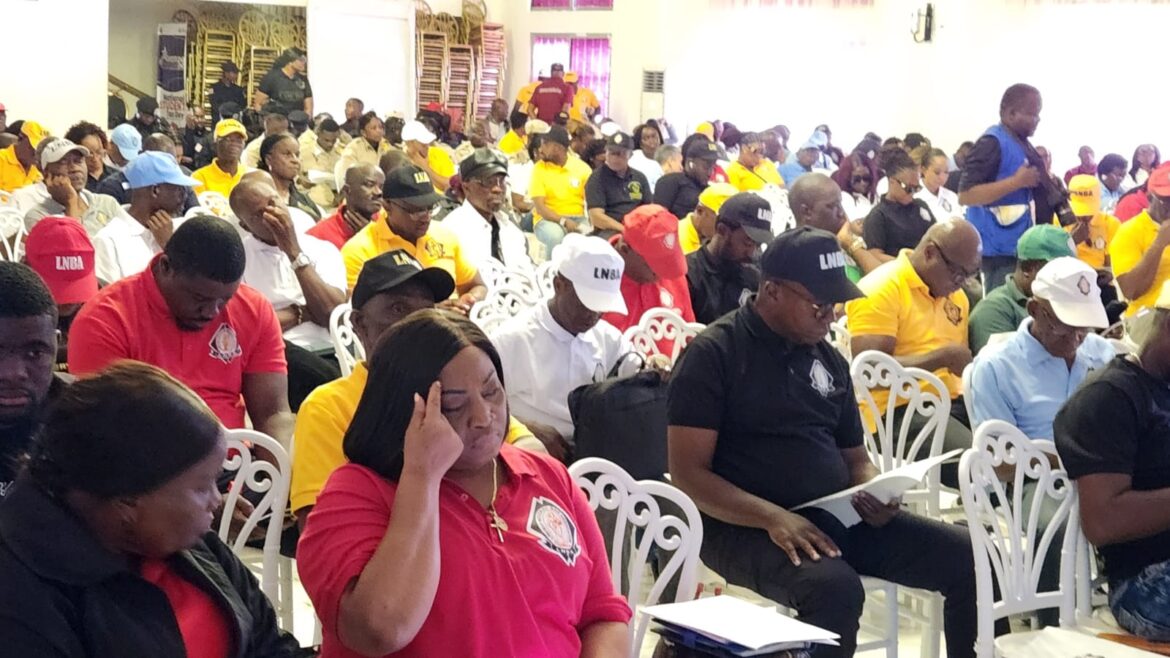
Yuoh made the remarks while delivering the keynote address at the Liberian National Bar Association (LNBA) commemoration of International Law Day, held under the theme: “Access to Justice for All: Bridging the Gap Between the Law and the People.”
The celebration, held at the Paynesville City Hall on May 1, 2026, brought together legal professionals, law enforcement agencies, civil society organizations, academics, and partners, underscoring the importance of unity in the pursuit of justice.
In special remarks, Cllr. F. Juah Lawson, President of the Liberian National Bar Association (LNBA), highlighted the critical role of the legal profession in advocating for access to justice.
Cllr. Lawson noted that the law should not be viewed as an institution reserved for the privileged few, but as a fundamental right for every citizen.
“We must engage our communities and simplify legal processes to enhance public awareness,” she urged, emphasizing the need to make the law both visible and accessible.
She also acknowledged the ongoing efforts of various stakeholders, including the United Nations, in supporting initiatives aimed at improving access to justice across the country.
Lawson called for concrete actions to bridge the gap between the law and the people, ensuring that justice remains a guarantee for all, not a privilege.
The struggle for justice in Liberia has long been shaped by historical, political, and institutional challenges that continue to influence public confidence in the legal system.
In recent years, successive governments, civil society actors, and legal professionals have continued to push for reforms aimed at making justice more accessible, affordable, and impartial. The ongoing national conversation emphasizes that justice must not only exist in principle, but must be effectively delivered to all citizens, regardless of status or location.
