
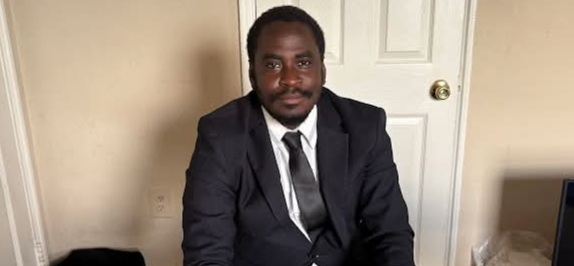
MONROVIA – 2029 presidential hopeful Matthew Nyanplu has strongly condemned a recent training program for Liberian judges funded by the National Oil Company of Liberia (NOCAL), describing the initiative as “disgraceful and illegal” and warning that it undermines judicial independence and impartiality.
The training, held in Ganta, Nimba County from April 27 to May 1, 2026, reportedly brought together circuit and specialized court judges under a capacity-building program aimed at developing legal and policy frameworks for Liberia’s oil and gas sector. However, Nyanplu argues that the arrangement creates a troubling ethical conflict.
According to him, it is unacceptable for judges who may later preside over oil and gas-related disputes to receive training financed by an entity that could become a party to such litigation. He warned that such relationships risk compromising the neutrality of the judiciary.
“In this medium, Liberian judges will be hearing and deciding oil and gas cases based on knowledge and training funded by NOCAL,” Nyanplu stated, adding that the arrangement raises serious questions about fairness in future court proceedings.
He further questioned how judges would maintain impartiality in cases where NOCAL appears as a litigant, especially when the same institution has contributed to their professional training and exposure in the sector.
Nyanplu also referenced judicial ethics, citing Canon 12 of the Supreme Court’s Code of Conduct, which warns against judges accepting favors or benefits from litigants or parties whose interests may come before them in court.
“A judge should not accept any presents or favor from litigants, or from lawyers practicing before him or from others whose interests are likely to be submitted to him for judgment,” he quoted, insisting that the training violates this ethical standard.
He also challenged the legality of NOCAL’s actions, arguing that the National Oil Company of Liberia lacks statutory authority under the Petroleum Law of 2016 to fund trainings for judges or engage in activities outside its mandate, especially those involving judicial officers.
Nyanplu expressed concern over what he described as a pattern of institutional overreach, questioning why judges would accept participation in a program funded by a body that could later appear before them in court without fully considering the ethical implications.
He called on members of the judiciary to immediately distance themselves from the training, return any certifications received, and refrain from relying on its content in future judicial decisions involving the oil and gas sector.
At the same time, the presidential hopeful urged President Joseph Nyuma Boakai to urgently address what he described as a growing institutional conflict between NOCAL and the Liberia Petroleum Regulatory Authority, warning that overlapping mandates could undermine governance in the extractive sector.
Nyanplu concluded by stating that, if elected President, he would move swiftly to restructure the petroleum governance framework, including disbanding NOCAL in its current form and strengthening the regulatory authority until Liberia becomes a producing oil nation.
