
By Staff Writer | Smart News Liberia
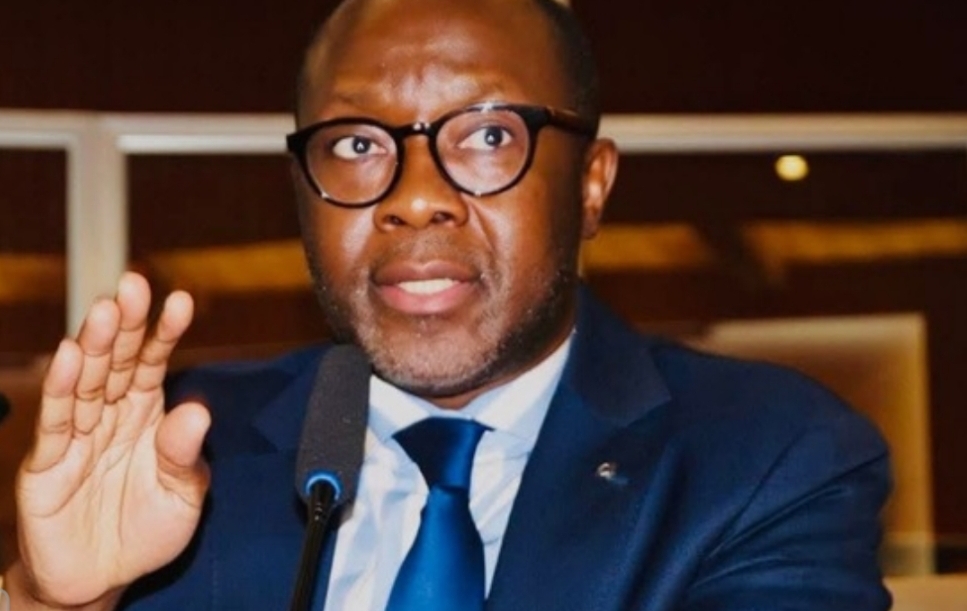
MONROVIA – Gbarpolu County Senator Amara Konneh has delivered a stark warning on Liberia’s economic conditions, declaring that “52.9% of Liberians are multidimensionally poor,” as he urged urgent national focus on worsening living conditions rather than political infighting.
In a detailed Facebook post on Thursday, April 30, 2026, Amara Konneh painted a sobering picture of hardship across Liberia, arguing that headline macroeconomic gains are not translating into real relief for ordinary citizens.
While acknowledging progress by the government, the senator credited the Executive Branch for securing crucial financial support from the International Monetary Fund and the World Bank. He noted that the 21-month IMF-supported program, valued at approximately US$266 million, is aimed at strengthening macroeconomic resilience and protecting Liberia against future shocks.
Konneh extended commendations to Finance Minister Augustine Ngafuan and Central Bank Governor Henry Saamoi for their roles in advancing these negotiations, describing the achievements as significant in a period marked by declining global aid flows.
However, the senator quickly shifted focus to what he described as the “real economy,” highlighting the daily struggles faced by Liberians who continue to grapple with rising prices, unemployment, and declining purchasing power.
Drawing from firsthand observations, Konneh recounted a visit to the Old Road Market in Monrovia, where market women lamented the sharp rise in prices of basic goods. According to him, increased transportation costs driven by rising fuel prices have significantly inflated the cost of locally produced food items.
He emphasized that such realities expose the limitations of macroeconomic indicators, which often fail to capture the lived experiences of citizens. “Their voices carried a quiet frustration that the macro indicators cannot show,” he noted, pointing to the widening gap between policy narratives and economic realities.
Konneh also criticized the Legislature for what he described as misplaced priorities, arguing that lawmakers have been distracted by internal disputes and attempts to silence dissenting voices at a time when citizens are enduring severe economic hardship.
He warned that earlier efforts by a presidential committee led by Vice President Jeremiah Koung to stabilize prices and ease economic pressures are being undermined by external shocks, including the ripple effects of tensions in the Middle East on global fuel costs.
The senator stressed that Liberia’s structural economic weaknesses remain unresolved, noting that heavy dependence on agriculture and mining continues to limit job creation, particularly for young people. He pointed to the growing number of unemployed youth seeking enlistment in the Armed Forces as a reflection of the broader employment crisis.
To address these challenges, Konneh called for stronger enforcement of Liberianization and local procurement policies, arguing that increased participation of Liberians in key sectors would stimulate domestic growth and retain more value within the economy.
He further proposed revisiting the country’s personal income tax structure, warning that inflation is pushing workers into higher tax brackets without corresponding increases in real income, thereby worsening household financial strain.
In a closing appeal, Konneh urged both government officials and citizens to embrace openness and courage in confronting national challenges. He also took a swipe at members of the ruling establishment, cautioning against dismissing criticism and instead encouraging leaders to listen to the “silent frustration” of struggling Liberian families.
