
By Lewis S. Teh
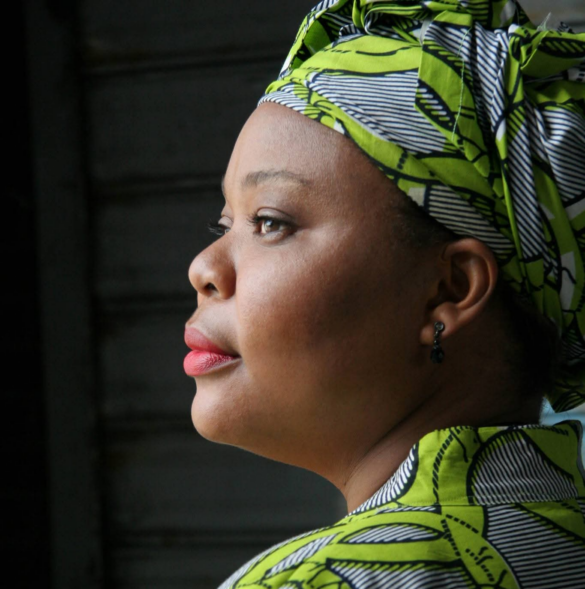
MONROVIA – Renowned Nobel Peace Prize laureate Leymah Gbowee has strongly criticized the latest move to expand the House of Representatives, calling on national leaders to channel scarce resources into education, healthcare, and roads instead of legislative expansion.
On Tuesday, July 15, the House of Representatives approved a resolution to increase Liberia’s electoral districts from 73 to 89, forwarding the measure to the Senate for concurrence.
The decision, based on the certified 2022 National Population and Housing Census, proposes a new population formula under Articles 39, 80(d), and 80(e) of the Constitution to guide the National Elections Commission (NEC) in reapportioning districts ahead of the next general elections.
According to the committee, the proposal fulfills a constitutional obligation triggered by the certified 2022 census, stating that the Legislature now has a duty to prescribe a new population standard for electoral representation.
The resolution if passed by the Senate Montserrado, will increase from 17 to 20 districts, Nimba from nine to 11, Bong from seven to nine, and Lofa from five to seven. Grand Bassa and Margibi would each gain one additional district, while Bomi, Grand Cape Mount, Grand Gedeh, Maryland and Sinoe would also receive one additional while River Gee, Gbarpolu, Grand Kru and River Cess will remain the same.
According to the resolution, 50 members of the House of Representatives signed for the additional district but were challenged by Grand Gedeh County District #3 Representative Jacob C. Debee, who said he wanted to know the names of his colleagues who signed the resolution, but it was moved and sent to the Liberian Senate for concurrence.
In a swift response on a live Facebook podcast, Madam Leymah R. Gbowee wrote: “A bill to increase the number of lawmakers? Just so we can have more people fighting, huffing and cussing for an honorable title. Schools need labs, hospitals need beds, more roads need to be built. God, please help us.”
Her comments come just days after she publicly questioned the use of the title “Honorable” for lawmakers, stressing that public office must be defined by service and integrity, not mere titles.
The proposal has sparked heated national debate. Supporters argue that population growth, as reflected in the census, demands greater representation, in keeping with constitutional requirements.
However, critics insist that any increase must strictly follow the constitutional process, with some raising concerns about affordability and questioning whether Liberia can shoulder the costs of more lawmakers amid pressing economic challenges.
Gbowee’s remarks have struck a chord on social media, with many Liberians backing her call for investment in basic services. Others, however, maintain that fair representation remains vital to democratic governance—provided it follows due constitutional process.
The debate is expected to intensify as lawmakers weigh changes to the electoral map, with the discussion now extending to issues of constitutional compliance, public spending, and Liberia’s development priorities.
