
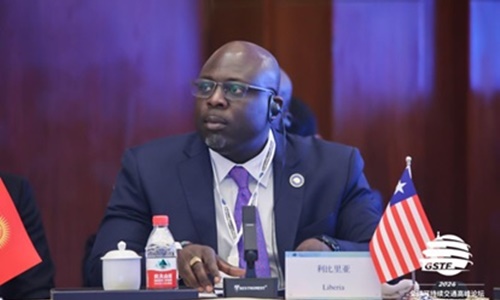
LiMA Commissioner Neto Zarzar Lighe says Africans occupy only about five percent of positions at the UN maritime agency, while Europeans account for approximately 45 percent.
MONROVIA — Liberia is calling for a fairer representation of African professionals within the International Maritime Organization (IMO), challenging what it describes as a significant imbalance in employment at the United Nations agency responsible for regulating international shipping.
The call was made by Liberia Maritime Authority (LiMA) Commissioner and Chief Executive Officer, Cllr. Neto Zarzar Lighe, during the Ministry of Information’s regular press briefing in Monrovia.
Lighe disclosed that Africans account for approximately five percent of the IMO workforce, compared with about 45 percent for Europeans. Arab States reportedly make up approximately four percent, while other developing regions also remain inadequately represented.
The figures, he argued, raise important questions about fairness, inclusion and equal access to professional opportunities within an international institution whose decisions affect maritime activities across the world.
For Liberia, the concern goes beyond employment statistics. It is about ensuring that African expertise and the continent’s contribution to global shipping are reflected in the leadership and professional workforce of an organization responsible for setting international maritime standards and regulations.
Lighe maintained that Africa’s participation in international maritime affairs should be matched by meaningful representation within the IMO, particularly given the continent’s importance to global trade and shipping.
He argued that an organization with an international mandate should also demonstrate greater geographical balance in its recruitment and employment practices.
According to the LiMA chief, Liberia has already brought the issue to the attention of the IMO following a presentation at a meeting of the organization’s Council.
The intervention, he said, was intended to encourage a more inclusive recruitment framework that would give qualified African professionals greater opportunities to compete for positions within the institution.
The issue raises a broader question about whether international organizations adequately reflect the geographical diversity of the countries they serve.
While the IMO plays a central role in developing global shipping regulations, maritime safety standards and policies governing international shipping, Liberia believes Africa’s professional contribution should be more visible within the organization itself.
For African maritime professionals, greater representation could create opportunities to contribute directly to the development and implementation of international maritime policies, while strengthening the continent’s voice in decisions affecting its shipping and trade interests.
Liberia’s position, as outlined by Lighe, is therefore a call for the IMO to reconsider how its international recruitment arrangements can better accommodate qualified professionals from underrepresented regions.
The challenge now is whether the organization will respond with measures that translate calls for geographical balance into broader and more equitable employment opportunities for Africans.
See more Liberia News Network stories in Google Search by adding LNN as one of your Preferred Sources.
★ Add LNN as a Preferred Source