Published: August 26, 2026
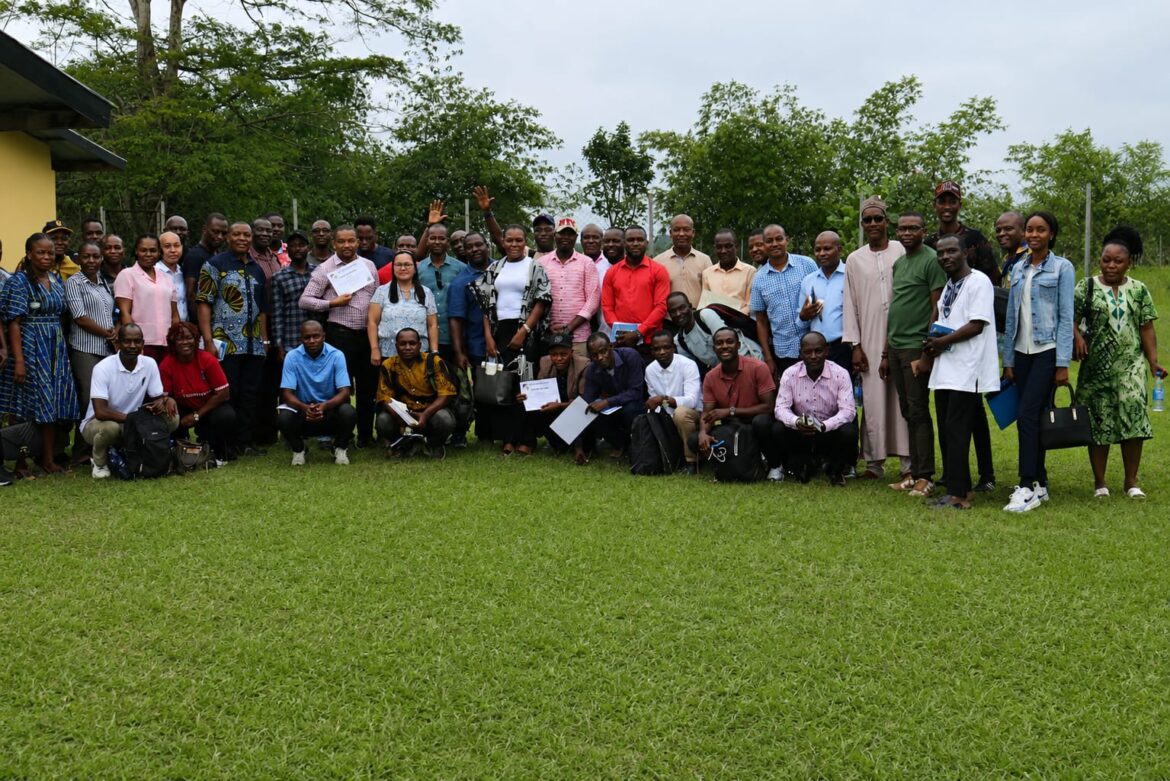
HARPER, Maryland County — Tubman University trained 106 faculty members on plagiarism-detection software and the classroom and office use of artificial intelligence last week, as part of an in-house program the university’s standards director said it runs because it cannot afford to send lecturers to conferences and training abroad.
By Henry N. Kolenky
The three-day workshop, held Aug. 18 to 20, drew instructors from the university’s six colleges and the Access College Program. Sessions covered academic integrity, examination management, competency-based curriculum, research policy, human resource compliance, support for academically underprepared students and faculty mental health.
Osman B. Moigua, director for standards for teaching and learning, said the workshop fills a gap left by limited funding for faculty to attend external conferences and professional development programs, and that it should be treated as an investment in the university’s academic system rather than a routine activity.
Moigua said the university holds the workshop every semester because subject expertise alone does not make an effective instructor, and it draws on faculty members with specialized training in pedagogy to teach their colleagues.
“When we strengthen our lecturers, we also strengthen our classrooms. When we strengthen our classrooms, we strengthen our students. When we strengthen our students, we also strengthen our university, and when we strengthen our university, we strengthen our society,” Moigua said.
The plagiarism session, on the second day, was led by Tukunlane Benson and Guillaume Uys and introduced faculty to Turnitin. Benson and Abraham W. Z. Amaning led a session on the final day on the use of AI in teaching and administrative work, with emphasis on what the university described as responsible and ethical use. Benson and Naventhree Nayiager also presented on the university’s research policy and its online library, including EBSCO.
Neonora Ade Barclay of the Access College Program, speaking at the closing program, called the training the beginning of a “new era,” pointing to the plagiarism-detection tools and the discussions on ethical use of artificial intelligence.
Frank Sio Doe, a mathematics instructor at the Dr. Elizabeth Davies Russell College of Education who also presented at the workshop, said the sessions let instructors sharpen their teaching skills and learn from colleagues who have taught or studied outside Liberia.
“It is very good to come together for each faculty member to share their experience during the refresher workshop,” Doe said.
Maria Fe D. Gueta, vice president for academic affairs, said she would continue pressing the university administration to provide tools and resources for teaching and learning.
See more Liberia News Network stories in Google Search by adding LNN as one of your Preferred Sources.
★ Add LNN as a Preferred Source